
DISCUSSION
Target Training
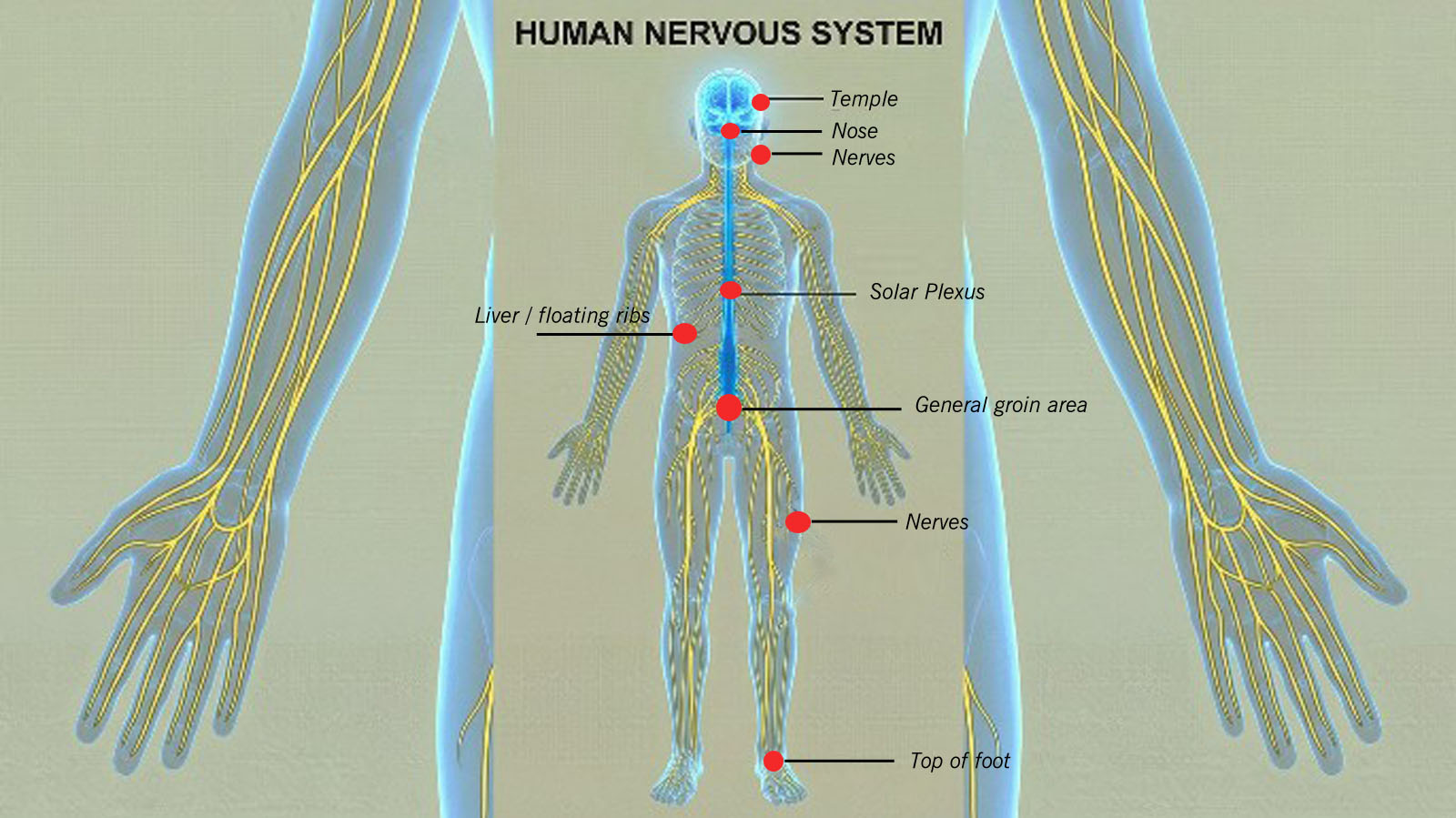
Some people simply do not understand the word no. After multiple redirects, a firm refusal, and even an attempt to leave the scene have failed, you may have to induce pain as a deterrent. There are certain areas of the body that are particularly sensitive and can be targeted without causing permanent injury, as opposed to techniques such as eye jabs or groin kicks. Of course, there are situations—and individuals—where those measures may be warranted.
Striking with different parts of the body generally means working from different distances. For example, the hands can reach much farther than the elbows or shoulders. It is important to understand the advantages, limitations, and prerequisites of each type of strike.
Picking the “right” targets is just as important as being able to strike hard. In fact, it was demonstrated in class that it doesn’t matter how much muscles you have or how hard you can hit, being able to get there is the most important thing. You cannot cause damage without contact. The picture at the top of the article highlights some of the “soft” targets that can cause you to wince even with a finger pressing firmly.
Note: One of the challenges for many seniors is hand arthritis, which can result in pain, weakness, or deformity in the fingers and hands. It is not reasonable to assume that you can always form a tight fist capable of injuring an aggressor. In such circumstances, palm strikes, elbows, or shoulders may be more practical and effective options.
Slaps
This is the first time we will use pads to develop a sense of how to deliver a solid strike. This process will continue to evolve over time. It is essential that we always respect our own bodies as well as our training partners.
- Start slowly and lightly, then gradually increase speed to develop power.
- Give your joints and hands time to adapt to the impact.
- Avoid developing bad habits, such as winding up before striking. Do not telegraph your intent; strike directly from where your hands already are.
- Swing with your entire body, not just the arms.
- Ensure that contact with the pad is perpendicular.
Tagging
A lot of people think mis-direction, feinting or faking an attack are all the same. We call it “tagging”. All those are simply sub-categories within “tagging”. The goal of tagging cause a moment where your opponent is frozen, confused, in a state of im-balance, overwhelmed, misdirected, over committed, jammed and much more. With good tagging, any hits can work.
SCENARIOS
Pad facing ceiling – the downward force is the easiest to learn to feel how gravity can help with the swing. It is important to learn the small moves of the body like: how to focus on the speed of the elbow, how to relax the spine into a sinking motion and the bending of the knees to add weight to the hit. If you stiffen your body, your arm will probably go slower and less of your body weight get transferred to the hand / target.
Pad facing the side held about head height – this intend to provide a target similar to opponents face or head. In this exercise, start slow and understand the path of the arm swing and how stepping into the hit and turning the body helps release more power.
EXERCISES
Misdirection, feinting, or faking an attack are all separate ways to confuse your opponent. We group these under the term tagging. Tagging can also be just an expression on the face, eyes looking away, whisper / yelling, a small shovel and many more. The objective of tagging is to create a brief moment in which the opponent is frozen, confused, off-balance, or overwhelmed. It aims to create an opportunity for open access to your intended target.
REALITY CHECK
You are learning to defend yourself. Is that the same as learning how to fight?
The answer is less clear-cut than you might hope. You are learning tools that allow you to hurt an opponent. Can I guarantee that you will be safe in all situations? Definitely not. Through training and understanding, you increase your probability of surviving an attack—but that probability is never 100%. This is similar to anything in life, always try your best, there are no guarantees.
Even striking a hard surface can hurt. Win or lose, you must be prepared to experience pain and not be surprised by it. If pain is triggered, you must not think, “Oh, this hurts.” Instead, your focus should be on delivering the message: This is going to cost you—it is not going to be free.